

Introduction
Running a nonprofit in Frankfort, IL often means juggling complex legal rules, filings, and board expectations. Finding the right nonprofit attorney in Frankfort, IL can feel like one more challenge on a long list.
Tax exemptions, government registrations, and board oversight all have their own rules and penalties. One missed step can put funding, reputation, and even your organization’s survival at risk.
A nonprofit attorney in Frankfort, IL helps set up your entity, secure and keep tax-exempt status, guide your board, and handle contracts and disputes. In this article, you will see how Murray & Regan Law Firm supports nonprofits across Will County with formation, compliance, board governance, contracts, and litigation support, all under one roof.
Keep reading to see how focused legal guidance can protect your mission while you keep your attention on serving your community.
Key Takeaways
Nonprofit leaders in Frankfort often want a quick snapshot before digging into details. These points show how focused legal help supports your mission from day one.
Nonprofit formation and tax status shape fundraising. Careful setup avoids expensive corrections later. Murray & Regan guides filings from the first planning meeting.
Ongoing compliance keeps tax-exempt status safe. Regular filings and strong policies reduce government attention. Steady legal support keeps you on schedule.
Good governance protects every board member. Clear duties and records support donor trust. Murray & Regan trains boards on real-world responsibilities.
Strong contracts lower daily risk. Careful wording reduces disputes with vendors and partners. Trial-ready review keeps your interests protected.
Local nonprofit counsel understands Frankfort. Murray & Regan combines regional insight with multi-state skill. Free consultations make the first step simple.
What Does A Nonprofit Attorney In Frankfort, IL Actually Do?
A nonprofit attorney in Frankfort, IL guides your organization through every legal step from idea to mature operation. That guidance covers formation, tax-exempt status, governance, contracts, employment issues, and, when needed, courtroom advocacy. For nonprofits in Will County, this role often looks more like a long-term partnership than one-time paperwork help.
According to the National Council of Nonprofits, charitable nonprofits account for about 5.7 percent of the US GDP and employ more than 10 percent of the private workforce, a trend well documented in The Rise of Healthcare and related labor market research. With that kind of economic footprint, the law treats nonprofit activity very seriously. Murray & Regan Law Firm helps founders, executive directors, and boards handle that legal attention in a calm, planned way.
Instead of waiting for a crisis, many organizations treat Murray & Regan as their outside general counsel. That means the same team that helped form the nonprofit also:
Reviews vendor contracts and grant agreements
Advises on hiring, firing, and wage questions
Prepares the board for major votes and strategic changes
This approach gives you access to corporate, tax, employment, and regulatory guidance without paying for in-house counsel.
Key areas where a nonprofit attorney steps in include:
Formation and tax-exempt recognition, so articles, bylaws, and IRS filings match your mission and funding plans. This covers choices about 501(c) classification, governance structure, and early policies that later grantmakers often review. Murray & Regan builds these documents to support growth instead of holding it back.
Ongoing legal operations, such as contract review, employment compliance, and risk spotting. Your attorney can flag unclear grant terms, harsh lease clauses, or wage issues before you sign. This kind of early review often prevents disputes that would otherwise drain staff time and donor trust.
Disputes and litigation, including demand letters, mediation, and court cases when needed. Having counsel familiar with your history and documents makes it easier to respond quickly and effectively.
Tip From Nonprofit Counsel: “Treat your nonprofit lawyer like a long-term advisor, not just someone you call when a signature is due.”
When conflict still appears, Murray & Regan prepares each matter as if it could reach trial in Will County Circuit Court or federal court. That firm stance often leads to faster, better settlements, because the other side can see your nonprofit is ready to stand up for itself.
Nonprofit Formation And 501(c)(3) Compliance In Illinois

Nonprofit formation and 501(c)(3) compliance in Illinois start with very specific filings and language choices. The structure you choose and the wording inside your paperwork can affect tax treatment, grant access, and even your ability to operate. Careful planning with a nonprofit attorney helps you avoid long delays and expensive do-overs.
The process usually begins with articles of incorporation filed with the Illinois Secretary of State. Those articles must include purpose language that lines up with Internal Revenue Code section 501(c) and must say what happens to assets if the nonprofit dissolves. Murray & Regan drafts these filings so they satisfy both Illinois corporate law and IRS expectations from day one.
Next comes choosing the right federal tax-exempt category. The Internal Revenue Code lists 29 types of tax-exempt organizations under section 501(c), according to the IRS. For most charities, schools, and religious groups, 501(c)(3) status fits best and allows donors to claim tax deductions. Civic leagues often fit 501(c)(4), while social clubs may fit 501(c)(7), where donations are not deductible. Picking the wrong group can hurt fundraising and add long-term reporting burdens.
A simple comparison looks like this:
| IRS Category | Typical Organizations | Are Donations Tax-Deductible? |
|---|---|---|
| 501(c)(3) | Charities, schools, religious organizations | Yes, for qualifying donors |
| 501(c)(4) | Civic leagues, social welfare organizations | Generally no, with limited exceptions |
| 501(c)(7) | Social and recreational clubs | No |
A typical Illinois formation plan includes:
State and federal setup, including articles of incorporation, bylaws, and an Employer Identification Number. Murray & Regan writes bylaws that match how your board will actually work, not just a one-size-fits-all template. This reduces confusion later when terms end, officers change, or a director must be removed.
IRS tax-exempt application, usually Form 1023 or Form 1023-EZ, with detailed program descriptions and budgets. Your attorney helps you describe your activities in ways that match IRS rules while staying true to your mission. Clear answers here often shorten review times and lower the chance of follow-up questions.
Illinois Charitable Trust Act registration with the Illinois Attorney General, plus annual Secretary of State reports. Murray & Regan also reviews your fundraising plans, so pledge drives, online campaigns, and special events fit both state law and IRS rules.
Initial internal governance, such as first board resolutions, conflict-of-interest disclosures, and basic financial controls, so operations start on solid ground.
Tip From Nonprofit Counsel: “Treat your formation documents as the foundation for the next ten years, not just a hurdle to get past this month.”
Once your determination letter arrives, compliance work does not stop. Annual filings, from Form 990 to state renewals, keep that status in place. Murray & Regan sets up calendars and internal checklists so your team knows what must be filed, who handles it, and when it is due.
Governance, Board Fiduciary Duties, And Ongoing Compliance

Governance, fiduciary duties, and ongoing compliance sit at the heart of a healthy nonprofit. Board members in Illinois owe three main duties to the organization: care, loyalty, and obedience. When they fall short in any of these areas, the board and the nonprofit can face investigations, funding loss, and long-term reputational harm.
Board duties can be summarized this way:
Duty of care – Directors must stay informed, read reports, ask questions, and rely on reasonable information before voting.
Duty of loyalty – Board members must put the nonprofit’s interests ahead of their own, especially when potential conflicts of interest arise.
Duty of obedience – Directors must follow the mission, bylaws, and applicable law, including rules from the Illinois Attorney General and the IRS.
Federal rules add sharp consequences, and sector-wide data on organizational entry, exit, and compliance stress is well captured in research on Nonprofit Entry, Exit, and implications for sector growth. If a nonprofit skips required Form 990 filings for three years in a row, its tax-exempt status is automatically revoked, as explained by the IRS. Rebuilding after a revocation often takes months, and some funders will not return once trust is shaken. Murray & Regan helps boards keep a simple checklist of federal and state filings so this never becomes a surprise, particularly for the many small organizations described in research on Key Facts About Very small U.S. nonprofits.
To support these duties, Murray & Regan commonly helps boards build:
Regular board meeting practices, with clear agendas, minutes, and voting records. Good minutes show how directors reached a decision and which materials they reviewed. This record becomes important if the Illinois Attorney General or a major donor questions a transaction.
Core governance policies, including conflict of interest, whistleblower, and document retention policies. These policies guide daily decisions and also show the IRS and grantmakers that the board takes oversight seriously. The firm often trains boards on how to apply these policies in real scenarios, such as a contract involving a relative of a director.
A simple compliance calendar pairing each filing with a responsible person and due date. This tool covers Form 990, Illinois annual reports, charitable registration renewals, and needed audits. With regular legal check-ins, nonprofit leaders can adjust this calendar as the organization grows or adds new locations.
Tip From Nonprofit Counsel: “Boards should act as if every major decision could someday be reviewed by a regulator, a donor, or a judge.”
Research from BoardSource highlights that many nonprofit boards struggle most with legal and compliance oversight. Working with Murray & Regan gives Frankfort boards a clear playbook so they can focus on mission while still meeting these legal expectations.
Contract Drafting, Risk Management, And Litigation Defense For Nonprofits

Contract drafting, risk management, and litigation defense shape the daily reality of nonprofit operations. Every lease, grant agreement, sponsorship, or vendor contract can either protect your mission or quietly introduce major risk. A nonprofit attorney in Frankfort, IL helps you understand what you are signing before it shapes your budget or programs.
Nonprofits sign a wide mix of agreements, from rental contracts with local landlords to data-processing addenda with software providers. Grant contracts sometimes include strict reporting promises, clawback terms, or insurance requirements that surprise smaller organizations. Murray & Regan reviews and negotiates these documents so terms about payment, performance, and ending the agreement stay fair and workable.
Employment and volunteer issues form another large risk area, and the payroll share data from studies such as The payroll share in US states illustrates how significant labor costs and obligations are across nonprofit-heavy sectors. According to the Johns Hopkins Center for Civil Society Studies, the nonprofit sector employs roughly one in ten workers in the United States. That scale means wage rules, overtime, discrimination law, and harassment policies all apply with full force. Murray & Regan advises on job descriptions, independent contractor use, volunteer waivers, and executive pay so your practices fit both IRS expectations and Illinois labor rules.
Common contract and risk topics where Murray & Regan helps nonprofits include:
Reviewing vendor and service contracts for hidden fees, one-sided indemnity terms, or unrealistic service levels. The firm helps you balance legal protection with long-term relationships, so needed services stay affordable and reliable. Clear wording also reduces disputes over who is responsible when something goes wrong.
Drafting facility use agreements, sponsorship arrangements, and partnership MOUs that protect your name and assets. These documents explain how each side can use logos, space, and data, and what happens if plans change. Careful drafting prevents misunderstandings that might otherwise hurt community ties.
Advising on insurance and risk transfer, including general liability, directors and officers coverage, and event policies, so your nonprofit is not left exposed when incidents occur.
Representing nonprofits in disputes when letters and meetings are not enough. Murray & Regan prepares each case as if it will go to trial, which often leads to fair settlements before a judge ever hears the matter. This approach saves staff time and lets leadership return focus to programs instead of court dates.
Tip From Nonprofit Counsel: “If you do not understand a contract clause, you should not agree to it without legal advice.”
By viewing contracts, employment practices, and disputes as parts of one risk picture, Murray & Regan helps nonprofits in Frankfort stay steady even when tensions rise.
Why Frankfort, IL Nonprofits Trust Murray & Regan Law Firm
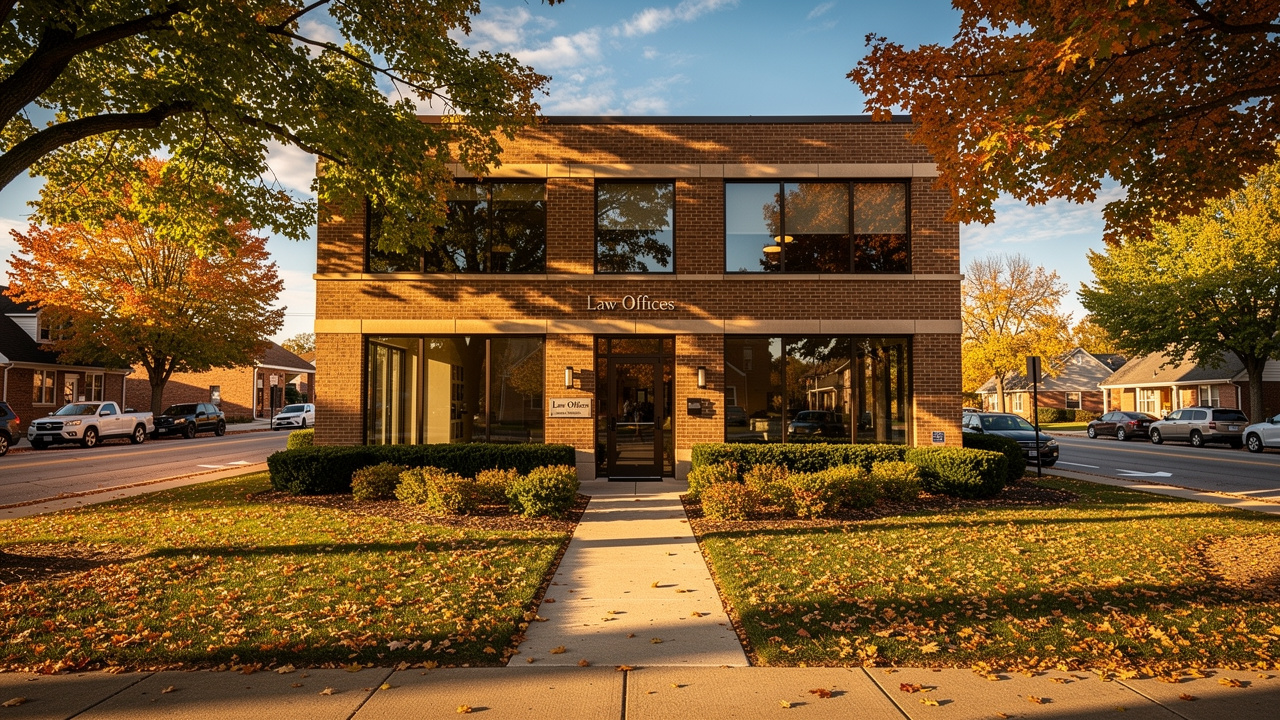
Frankfort, IL nonprofits trust Murray & Regan Law Firm because the team combines local roots with broad, multi-state experience. The firm is headquartered in Frankfort and also maintains offices in Chicago, Seattle, and Cleveland, so it understands both community concerns and wider regulatory trends. For more than 20 years, Murray & Regan has advised organizations across Illinois, Washington, and Ohio on business, nonprofit, and personal legal matters.
Founding Partner Daniel Regan is known for clear, direct counsel that turns dense legal rules into practical next steps. Nonprofit leaders often face complicated choices about growth, staffing, or new programs. Daniel and the Murray & Regan team talk through those choices in plain language, then align filings, policies, and contracts with the plan the board adopts.
Many nonprofits use Murray & Regan as outside general counsel instead of hiring in-house lawyers. This model gives them access to nonprofit, tax, employment, real estate, and litigation skill from one firm. When a new issue appears, the same team that drafted your bylaws can also review your building lease or respond to a demand letter.
Key advantages Murray & Regan offers nonprofits in Frankfort include:
Deep knowledge of Illinois nonprofit law combined with real familiarity with Will County agencies and courts. This local insight helps when working with the Illinois Attorney General, the Illinois Secretary of State, or village zoning offices.
A diversified general practice, so your nonprofit can address board governance, contracts, disputes, and even charitable planning in one place. This saves time and reduces the chance of conflicting advice from separate firms.
Free initial consultations that allow founders, board members, and executive directors to ask questions before making a hiring decision. During that first meeting, the firm listens to your goals, reviews your current posture, and outlines a clear, step-by-step plan.
Comment From A Nonprofit Leader: “Having one law firm that understands both our local community and federal rules makes it much easier for our board to act with confidence.”
According to the National Council of Nonprofits, more than 1.3 million charitable nonprofits operate across the United States, a scale supported by current legal and organizational research including work on The Trampled Wryght Organization legal research project examining nonprofit web content and regulatory compliance. Murray & Regan Law Firm helps the ones in and around Frankfort stand on a strong legal foundation while they serve their communities.
The Bottom Line

Nonprofit legal compliance is not optional, even for small community groups. Missed filings, weak bylaws, or risky contracts can cost tax-exempt status, drain scarce funds, and distract leaders from the very mission that inspired the organization in the first place. Careful planning with a nonprofit attorney in Frankfort, IL turns those risks into manageable tasks on a clear calendar.
Murray & Regan Law Firm offers nonprofit formation help, governance and compliance guidance, contract review, and litigation support, all centered on your goals. If you serve on a board or lead a nonprofit in the Frankfort area, now is the right time to schedule a free consultation and confirm that your legal foundation is as strong as your vision.
Frequently Asked Questions
Question 1: What is the difference between a nonprofit attorney and a general business attorney?
A nonprofit attorney focuses on tax-exempt rules, board duties, charitable solicitations, and public benefit law, which general business attorneys may only partly address. Murray & Regan blends nonprofit focus with broad business experience, so your organization receives coordinated advice on governance, tax, employment, and contracts in Frankfort and beyond.
Question 2: How long does it take to obtain 501(c)(3) status in Illinois?
Most 501(c)(3) applications using IRS Form 1023-EZ receive decisions within a few weeks, while full Form 1023 filings often take several months. Errors, missing documents, or unclear descriptions can extend that timeline, so guidance from Murray & Regan can speed and smooth the process.
Question 3: Can a nonprofit lose its tax-exempt status in Illinois?
Yes, a nonprofit can lose federal tax-exempt status, including automatic revocation after three consecutive missed Form 990 filings. State-level issues, such as failing to renew charitable registration, can also trigger investigations. Ongoing compliance support from Murray & Regan helps prevent these problems before they appear.
Question 4: Do nonprofit board members have personal legal liability?
Yes, board members can face personal liability when they breach duties of care, loyalty, or obedience, especially in cases of self-dealing or serious mismanagement. Good bylaws, clear policies, director training, and legal guidance from Murray & Regan reduce this risk and support responsible decision making.
Question 5: Does Murray & Regan offer free consultations for nonprofits?
Yes, Murray & Regan Law Firm offers free initial consultations for nonprofit organizations and leaders. This meeting gives you a chance to discuss your goals, review pressing questions, and see how ongoing counsel can support your mission before you commit to a longer engagement.
Disclaimer
The information contained in this guide is provided solely for general educational and informational purposes. It is not intended to constitute legal, tax, financial, or other professional advice, nor should it be construed as such. Because every individual’s circumstances are unique, the information presented herein may not apply to your particular situation.
This guide is not a substitute for obtaining legal advice from a qualified attorney regarding your specific estate planning needs. You should not act or refrain from acting based upon the information contained in this guide without first seeking appropriate legal counsel.
Your review or use of this guide does not create an attorney-client relationship between you and Murray & Regan, LLC or any of its attorneys. An attorney-client relationship is established only through the execution of a written engagement agreement with the firm.
While every effort has been made to ensure the accuracy of the information contained herein as of the date of publication, laws and regulations are subject to change, and Murray & Regan, LLC makes no warranty or representation regarding the completeness, accuracy, or continued applicability of the information provided.